America’s Hidden Health Crisis
December 9, 2025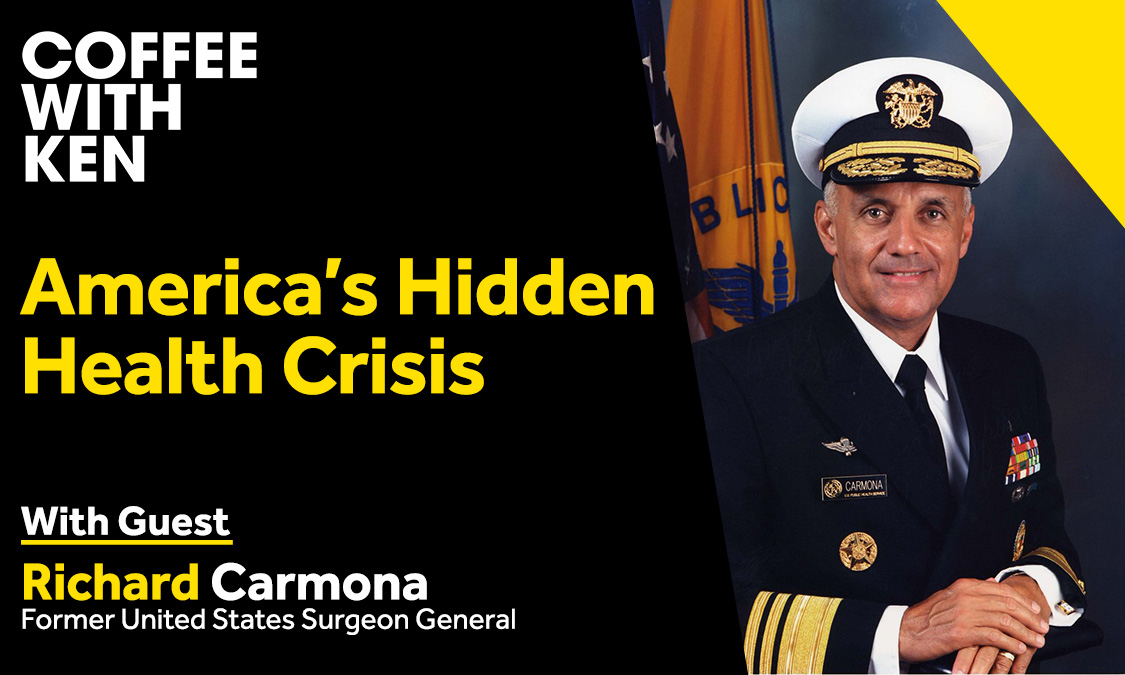
Indoor air quality isn’t something we see — but it shapes our health, our productivity, and even our economy.
And as former U.S. Surgeon General Dr. Richard Carmona explains, the spaces we occupy every day are influencing far more than we realize.
From the office buildings where we spend most of our waking hours to the schools, hospitals, and homes that anchor our communities, the built environment has quietly become one of America’s most overlooked public health challenges.
Recorded live at Georgetown University during the International WELL Building Institute’s DC Policy Day, Dr. Carmona joins Ken for a powerful conversation on why the environment is never neutral — and what it will take to create healthier, safer, and more resilient spaces for everyone.
Together, they explore how air quality, design, safety, leadership, and global WELL standards are redefining the future of public health. Dr. Carmona also reflects on lessons from decades of service and the urgent need to rethink how buildings support — or undermine — human wellbeing.
Key Takeaways from the Conversation
We Spend 90% of Our Lives Indoors
Indoor environments influence everything from respiratory health to cognitive performance — yet most people rarely think about the air they’re breathing.
COVID Changed the Conversation
HEPA filters, ventilation, and air quality went mainstream, revealing how unprepared most buildings were for airborne threats.
Healthy Buildings Are a Global Movement
Through IWBI’s WELL standards and new UN-backed coalitions, countries are raising expectations for safe, resilient, healthy environments.
Modern Threats Need Modern Design
Loneliness, mental health challenges, and safety concerns — including active shooter risks — are all shaped by how buildings are designed and operated.
The Environment Is Never Neutral
A building can support health and productivity, or it can actively undermine them. The difference comes down to intentional design.
Leadership Shapes Public Health
From the military to the Surgeon General’s office, Dr. Carmona shares why trust, evidence, and stewardship are foundational to improving community wellbeing.
Why This Conversation Matters
Healthy buildings are not just a public health issue — they’re an economic and societal one.
Better design reduces absenteeism and presenteeism, improves quality of life, lowers healthcare costs, and strengthens community resilience.
As Dr. Carmona emphasizes, this isn’t about charity. It’s about performance, productivity, and the choices that determine how we live and work — both today and for generations to come.
Understanding the built environment means understanding the foundation of our wellbeing — and the opportunities we have to make it better.
About the Guest
Richard Carmona served as the 17th Surgeon General of the United States and is a nationally recognized leader in public health, health security, and crisis response. A decorated combat veteran, trauma surgeon, professor, and former sheriff, Dr. Carmona has spent his career advancing evidence-based strategies to improve health outcomes. He is a longtime advisor to the International WELL Building Institute and a leading voice on the role of healthy buildings in shaping population health.